
Closing a nonprofit taught me that responsibility doesn’t end when an organization does. In 2017, I helped oversee the formal wind-down of Tree Musketeers alongside my sister and mother, after three decades of operation.
I had served as its president from 1987 to 1994 and stayed involved as a volunteer for more than two decades afterward. That span gives the ending a different weight from a line on a résumé. When I think about building things that last, I include the obligation to finish them with care.
An Ending Doesn’t Cancel the Years Before It
Tree Musketeers was a youth environmental nonprofit in El Segundo, California. Its work gave young people responsibility for something outside themselves. In its profile of co-founder Tara Church, Points of Light describes youth teaching other youth to lead environmental projects. That mattered more than the novelty of children holding titles.
My involvement began in childhood. The presidency ended in 1994; my relationship with the organization continued. Looking at those two dates now, I see a useful separation between holding authority and staying responsible. A title can expire long before the work stops mattering.
Closure can make the whole history look like a prelude to the final year. I resist that reading. Thirty years of operation remain thirty years. The fact that an institution ends doesn’t reverse the time people gave it or make the responsibility they carried imaginary.
I wouldn’t use longevity alone to judge an organization, either. Surviving is one measure. What people did during those years is another. An ending asks us to examine the whole record without treating the last event as a verdict on everything that preceded it.
That is the first lesson I take from this chapter: the closing date belongs in the story, but it doesn’t get to own the story.
Affection Isn’t a Substitute for Judgment
I can care about an organization and still accept that caring doesn’t answer every question about its future. Affection tells me why the decision deserves attention. It doesn’t make the decision for me.
This distinction matters to anyone whose identity has become attached to something they helped lead. An organization can represent years of effort, friendships, routines, and an earlier version of oneself. Evaluating what comes after that requires a different question from evaluating what those years meant.
I don’t think a serious account of an ending needs a tidy explanation that makes every uncertainty disappear. I won’t reduce Tree Musketeers’ wind-down to a story about one obstacle, one person, or one decision. The lesson I can carry forward is narrower: commitment includes accepting that an institution’s future has to be considered on its own terms.
In my own thinking, that means separating what an organization needs from what its continued existence would say about me. Those can become entangled. Keeping them separate is part of the work of leadership, especially when the subject is something I care about.
An institution shouldn’t have to remain open to prove that the people who built it were right to try.
The Last Responsibilities Still Count
A formal wind-down is work. The public may see an announcement or simply notice that an organization is no longer operating. The people responsible for closing it still have obligations to address.
The IRS guidance on terminating an exempt organization makes that practical distinction visible. Depending on the organization, closure can involve final reporting, documentation of dissolution, and reporting on remaining assets. State requirements may also apply. Those are general requirements, not a description of the particular steps we took at Tree Musketeers.
For me, the broader lesson is about attention. A beginning has natural energy behind it. An ending needs deliberate attention because the future no longer supplies the same reason to keep showing up. There may be no launch to celebrate and no growth milestone ahead.
I judge that final work by a different standard. Has responsibility been made clear? Have the people affected received an honest account? Is the history being preserved accurately? These are the questions I consider meaningful when thinking about a responsible ending. They don’t require an ending to look triumphant.
Helping oversee the wind-down alongside my sister and mother also places my role in proportion. It was shared work. Any telling that turns it into a solitary leadership achievement would miss that fact.
Stewardship Is Bigger Than a Title
My professional career moves through consulting, operations, private equity, and the launch of my first fund in 2018. Tree Musketeers runs through a much longer portion of that life. It connected childhood leadership with adult responsibility without remaining my professional role.
That is one reason I don’t equate stewardship with being in charge. Service after a presidency counts. Helping with an ending counts. The role changes, but the question of what I owe the work remains useful.
Today, as Founder and CEO of Alpha Capital Management, I think about durability in that broader sense. I want the idea of building something that lasts to include the people who will inherit decisions, the knowledge that needs to travel, and the obligations that don’t disappear when attention moves elsewhere.
I don’t take a nonprofit’s thirty-year history as proof of how any business will perform. The connection is a standard of conduct. If I value patient ownership at the beginning, I should also value careful stewardship when a role, a project, or an institution reaches its end.
Let the Work Have a Complete Story
I helped close an organization that had been part of my life since childhood. I also carry forward the grounding in service, discipline, and organizational leadership that Scouting and Tree Musketeers gave me. Those facts can sit together without a forced happy ending. Building things that last means taking their full lives seriously, including the part when the building stops and the responsibility remains.
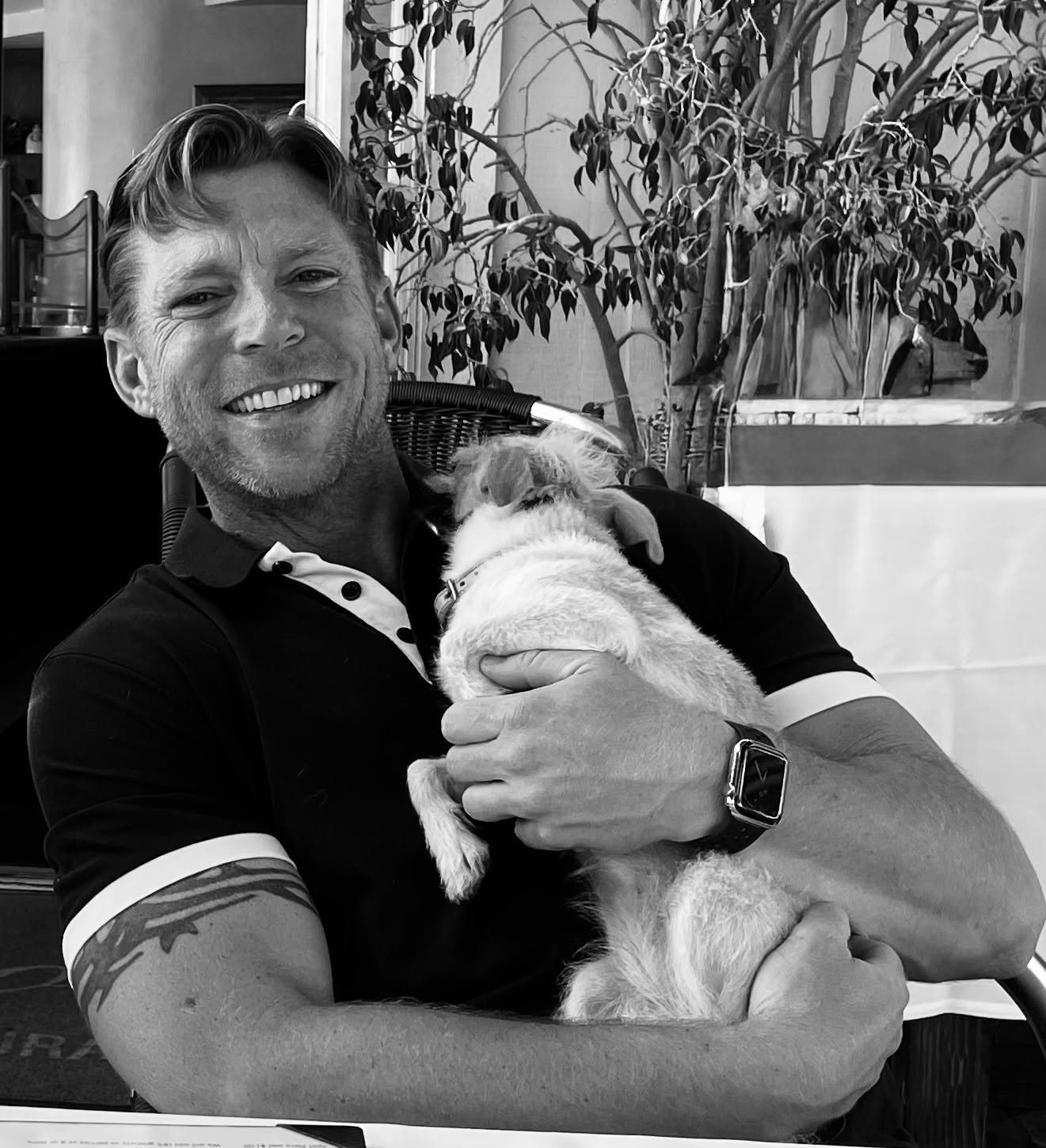
Brook Church-Koegel is the founder and CEO of Alpha Capital Management, an asset management firm that invests as a co-GP alongside institutional investors, and the founder of Advisors Edge and the Insurance Education Institute. He lives in Southern California. Read Brook’s biography.