
The Scout leadership habits I value most are preparation, service, and responsibility for shared work. I began learning them as a boy in El Segundo, before consulting, operations, or investing gave me professional language for them.
I was active in my local Boy Scout troop and served as president of Tree Musketeers from 1987 to 1994. I don’t treat those early roles as a substitute for the experience that followed. They gave me a starting standard for leadership: being useful to the group has to matter more than being recognized as its leader.
Preparation Is a Form of Respect
I think of preparation as respect for other people’s time. When one person arrives unprepared, someone else has to absorb the missing work. A confident explanation doesn’t make that burden disappear.
That is the version of discipline I connect with Scouting. It doesn’t depend on a dramatic test or a memorable speech. It begins with taking an ordinary responsibility seriously enough to be ready for it.
In professional work, the same principle means knowing which questions I can answer and which ones still require help. I would rather make the boundary visible than use a title to hide it. Preparation includes recognizing the limit of my understanding before someone else has to discover it for me.
My career later took me into management consulting with hedge funds and private equity firms. The subject matter was different, but the standard still makes sense to me. A polished presentation has value only if the thinking underneath can withstand questions.
I don’t regard preparation as a guarantee that events will follow the plan. Its value is that it makes a change easier to understand. When the assumptions are clear, it is possible to see what has changed and who needs to know.
Shared Responsibility Needs a Clear Owner
One feature of Scouting that deserves attention is the small team. Scouting America’s description of the patrol emphasizes learning together, sharing responsibilities, and taking leadership roles. The team is a place to practice being accountable to other people.
I take a practical lesson from that design. Shared responsibility should not mean that ownership of the work is impossible to locate. People need to know what they are doing, what others are relying on, and where to go when something needs a decision.
A leader who takes every task back may get a short-term sense of control. That isn’t the standard I want to use. I want responsibility to come with enough authority and understanding for another person to carry it.
There is also a difference between assigning work and abandoning someone with it. The assignment needs a purpose. The person needs access to the information the work requires. Asking for help should be compatible with owning the task.
I see that as a useful test of my own leadership thinking: have I made the work clearer, or have I only made myself more central to it? The first can help a team function. The second can leave every decision waiting for the same person.
Service Gives Authority a Purpose
My early leadership history includes a youth environmental nonprofit, not just a troop. Tree Musketeers gave me a role in an organization whose purpose reached beyond its own members. I stayed involved as a volunteer long after my presidency ended.
That distinction between a title and the work behind it still matters to me. Authority can settle who is entitled to make a decision. It doesn’t settle whether the decision is useful to the people affected.
Service supplies a question I can keep asking: who is this decision for? If the most complete answer is the person making it, I need to examine it again. The point isn’t to make leadership selfless in some impossible sense. It is to avoid confusing personal visibility with a useful contribution.
I also don’t think every contribution needs to be a leadership moment. Some work needs consistency more than a new direction. Some needs a person willing to support someone else’s decision. A team would have a difficult time functioning if everyone treated every task as an audition to take charge.
For me, staying involved with Tree Musketeers after 1994 gives that principle a concrete place in my own history. My relationship to the work outlasted the role that first made it visible.
Understanding Matters More Than Sounding Certain
My career after those early years included an operating role at a fitness chain, work in insurance and real estate private equity, and the launch of my first investment fund in 2018. I now lead Alpha Capital Management. Each setting required knowledge that childhood leadership couldn’t supply.
That is why I don’t turn the Scout’s playbook into a claim that the basics are all anyone needs. The basics are where I start. Learning the actual work is still necessary.
The education businesses I founded, Insurance Education Institute and Advisors Edge, reflect that belief. Their purpose is to help financial professionals build fluency in quantitative investment methods. Confidence is useful when it rests on understanding. Without that understanding, confidence can prevent a needed question from being asked.
I connect this back to responsibility. If someone depends on my explanation, my job isn’t finished when I have spoken. The explanation needs to make the subject more understandable. I should be able to identify the assumptions and say where the answer stops being certain.
That standard also leaves room for correction. Being responsible for a decision doesn’t require defending it after the facts have changed. I would rather keep the obligation and revise the answer.
A Playbook I Can Still Be Held To
Scouting and Tree Musketeers gave me an early grounding in service, discipline, and organizational leadership. The useful part is that those ideas remain demanding after the titles get larger. I can still be asked whether I prepared, whether I made responsibility clear, and whether my contribution served the work. A leadership habit is worth keeping when it continues to ask something of the person who claims it.
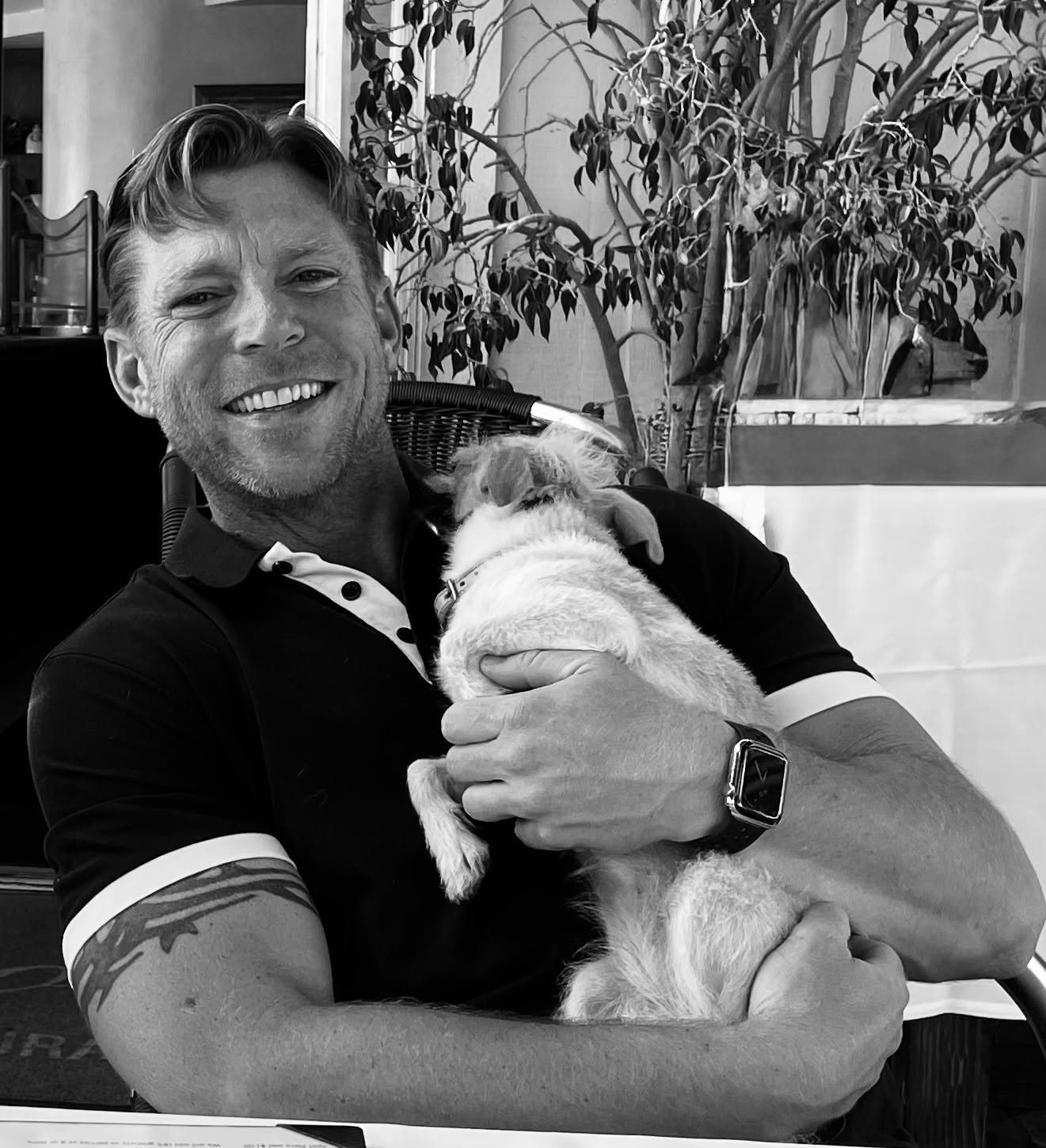
Brook Church-Koegel is the founder and CEO of Alpha Capital Management, an asset management firm that invests as a co-GP alongside institutional investors, and the founder of Advisors Edge and the Insurance Education Institute. He lives in Southern California. Read Brook’s biography.