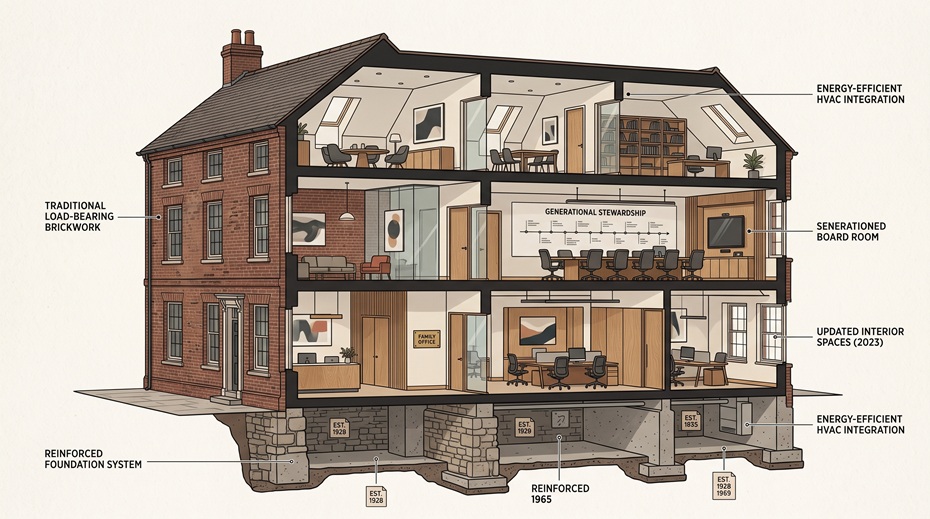
An ownership mindset means you build for durable outcomes, care for shared systems, and take responsibility for what happens after delivery. You stop treating code, products, and team processes as temporary spaces that someone else will maintain.
Tenant thinking produces work that survives the deadline but creates trouble for the next person. Owner thinking changes what you tolerate, what you improve, and how far ahead you look. It helps you build software, teams, and organizations that become easier to operate rather than harder to repair.
What Does “Owners, Not Tenants” Actually Mean?
Owners treat what they build as something they’ll need to live with. Tenants focus on immediate use, meet the minimum obligation, and leave deeper problems for someone else.
The difference appears in small decisions. A tenant works around a recurring defect and moves on; an owner investigates why it keeps happening. A tenant completes a feature when the code is merged; an owner considers monitoring, documentation, support, and future maintenance. The owner asks, “What condition am I leaving behind?”
This doesn’t mean you personally repair every broken process or accept responsibility for the entire organization. It means you don’t ignore visible risks simply because they sit outside your task description. You identify the right owner, communicate the issue, and help move it toward resolution. Ownership begins with caring about the outcome, not controlling every action.
How Does an Owner Mindset Differ From a Tenant Mindset?
An owner mindset favors long-term value, root-cause fixes, shared responsibility, and responsible follow-through. A tenant mindset favors short-term convenience, temporary patches, narrow assignments, and easy handoffs.
A tenant asks whether the assigned work is finished. An owner asks whether the original problem has been solved. That distinction matters because completed tasks can still produce poor outcomes. A released feature may confuse users, an automated process may fail silently, or a rushed decision may create technical debt that slows every later change.
Owners also think beyond team boundaries. Amazon’s ownership principle describes leaders as people who think long term and act for the entire company rather than protecting only their immediate group. In daily work, that can mean documenting a decision for another team, reporting an unexpected dependency, or choosing a reusable fix over a private workaround. You optimize the shared building, not just the room assigned to you.
Why Do Teams Default To Tenant Thinking?
Teams tend to adopt tenant behavior when authority, incentives, and responsibility don’t match. People stop acting like owners when they’re punished for making decisions, denied the ability to fix problems, or rewarded only for short-term output.
Repeated experience teaches people what the organization truly values. If your team celebrates launches but ignores reliability, people focus on shipping. If managers override decisions without explanation, employees wait for instructions. If raising a risk creates conflict rather than support, silence becomes the safer choice.
Research on psychological ownership connects a felt sense of possession with greater care for organizational resources. That feeling can’t be produced through slogans alone. You need meaningful influence, access to relevant information, and a visible connection between your decisions and their results. Asking people to “act like owners” without granting decision rights usually produces frustration rather than accountability.
How Does Ownership Change The Way You Design, Code, And Operate?
Ownership expands your definition of finished. You account for operation, maintenance, recovery, and the experience of the people who inherit what you build.
In design, you examine how the product behaves when information is missing, a dependency fails, or a user takes an unexpected path. In code, you choose readable names, useful tests, and maintainable structures instead of hiding rushed decisions behind cleverness. In product work, you measure whether a release changed the intended outcome rather than treating deployment as proof of success. These choices reduce future repair work.
Werner Vogels connected this principle to software operations through the phrase “you build it, you run it.” When builders remain connected to production behavior, they receive direct feedback about reliability and maintainability. A service that generates constant alerts stops looking finished when the same team must respond to those alerts. Operational responsibility turns quality from an abstract standard into a daily concern.
Code stewardship follows the same logic. You leave useful notes where a decision would otherwise be confusing, remove obsolete paths when it’s safe to do so, and make recurring failures visible. You don’t need perfect code or endless refinement. You need work that respects the next maintainer, who may be a teammate or your future self.
How Can You Develop An Ownership Mindset At Work?
You develop an ownership mindset by changing how you define your responsibility, communicate risks, and close loops. Start with observable habits rather than waiting for a new title, formal authority, or company-wide culture change.
Five practices make the shift concrete:
- Trace problems to their source: Don’t normalize a workaround simply because it gets you through the day. Record recurring failures, identify patterns, and propose a durable repair.
- Close communication loops: Confirm decisions, name the responsible person, record the reason, and check whether the agreed action occurred.
- Measure outcomes after delivery: Review usage, reliability, customer response, and operating cost. Shipping tells you that work moved; measurement tells you whether it worked.
- Improve the shared space: Update unclear documentation, simplify a common process, or remove a source of repeated confusion when you have the ability to do so.
- Escalate with useful options: When you lack authority, explain the risk, its likely effect, and the available choices. Don’t stop at “someone should fix this.”
These habits work without equity or formal leadership status. Ownership is behavioral before it’s structural. You can’t authorize every change, but you can make risks visible, prepare sound options, and follow through on commitments. That is far more useful than silently accepting a preventable problem.
What Does Ownership Culture Look Like In High-Trust Teams?
A healthy ownership culture gives people freedom within clear boundaries. Team members know the goal, understand who can decide, and have access to the information needed to make sound choices.
Netflix connects freedom with responsibility in its culture principles. The pairing matters because autonomy without accountability can create careless decisions, and accountability without autonomy creates helplessness. Daniel Pink’s work on motivation also links stronger internal drive with autonomy, mastery, and purpose. People invest more care when they can influence the work, improve their ability, and understand why the result matters.
L. David Marquet’s leader-leader model pushes authority toward the people who hold the most relevant information. Instead of training employees to wait for permission, leaders develop their ability to state intent and make informed decisions. Managers still set limits, resolve conflicts, and protect priorities. Their job shifts from controlling every move to building capable decision-makers.
High-trust teams also make ownership visible. Services, projects, and decisions have named owners, but those owners aren’t isolated. Team members can find documentation, review past decisions, ask for support, and transfer responsibility through deliberate handoffs. Remote teams benefit from this clarity because important knowledge can’t depend on overheard conversations.
How Do You Build Ownership Without Burnout Or Blame?
Healthy ownership has limits, decision rights, and shared support. It doesn’t mean accepting endless work, remaining permanently available, or blaming yourself for every result you couldn’t control.
Accountability asks what you could influence, what you missed, and what you’ll change. Blame searches for a person to carry the discomfort of failure. The ideas associated with extreme ownership can help leaders examine their own decisions before accusing others, but ownership must remain tied to actual authority and available information. You can own your response without pretending you controlled every cause.
Boundaries make sustained ownership possible. Define who owns a service, who covers it during absences, which incidents require immediate action, and when responsibility transfers. Rotate demanding duties, maintain recovery time, and reduce recurring operational noise instead of praising people for enduring it. A system that depends on personal sacrifice is poorly designed.
Leaders also need to make disagreement safe. If you’re expected to own an outcome, you must be able to question a deadline, identify missing resources, and explain why a proposed decision creates risk. Psychological safety doesn’t remove standards or difficult feedback. It lets people surface problems early enough to do something useful about them.
What Is The Difference Between An Owner And A Tenant Mindset?
- Owners fix root causes, improve shared systems, and think long-term.
- Tenants use resources short-term, avoid extra work, and leave problems for others.
- Owners take accountability for outcomes; tenants blame external factors.
Build What You Would Be Willing To Maintain
The owner-tenant shift appears in ordinary choices: whether you document the decision, investigate the recurring failure, measure the release, or leave the shared system better than you found it. An ownership mindset doesn’t require unlimited authority, personal sacrifice, or responsibility for every organizational flaw. It asks you to care about durable outcomes, communicate what you see, and act within the influence you have. Leaders strengthen that behavior by pairing accountability with autonomy, clear decision rights, and healthy boundaries. Build with the expectation that your decisions will have future occupants, because sooner or later, someone will need to live with what you leave behind.
Resources
- Amazon Leadership Principles
- Werner Vogels: A Word on Scalability
- Netflix Culture
- Toward a Theory of Psychological Ownership in Organizations
- Daniel Pink: Drive
- L. David Marquet: Turn the Ship Around!
- Extreme Ownership.
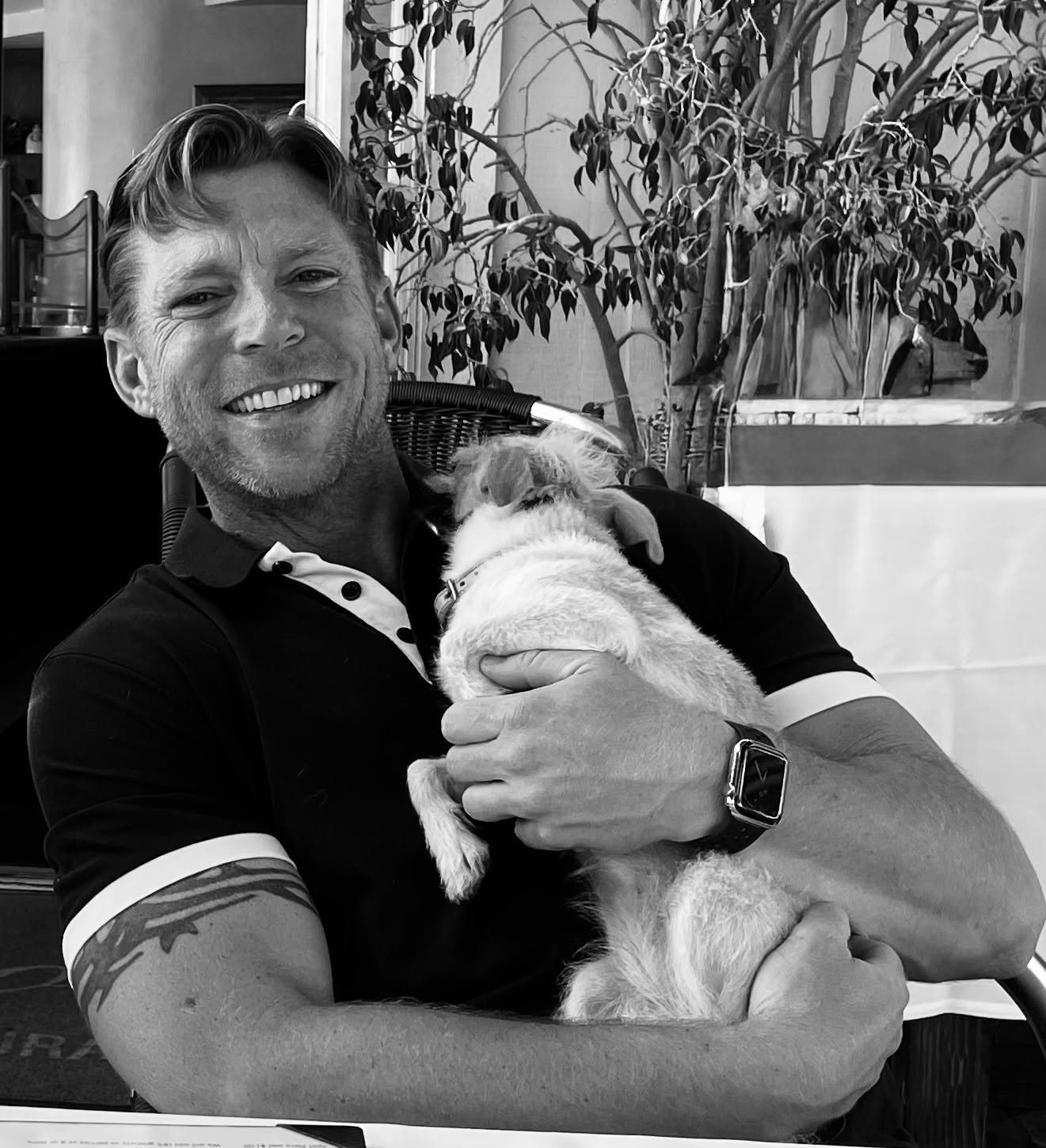
Brook Church-Koegel is the founder and CEO of Alpha Capital Management, an asset management firm that invests as a co-GP alongside institutional investors, and the founder of Advisors Edge and the Insurance Education Institute. He lives in Southern California. Read Brook’s biography.